Agro & Organic
Indian Spices
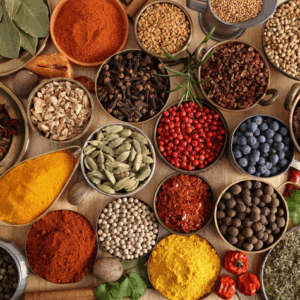
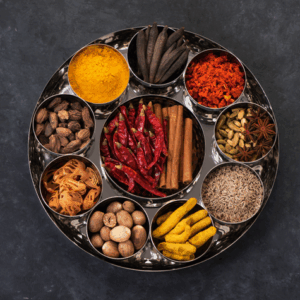
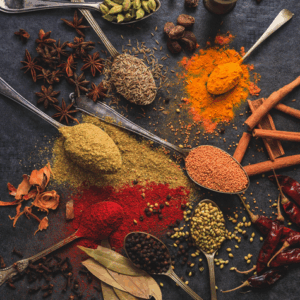
Indian spices are renowned worldwide for their rich aroma, vibrant colors, and powerful flavors, playing a central role in Indian cuisine and traditional medicine. Common spices include turmeric, known for its anti-inflammatory properties and bright yellow hue; cumin, which adds a warm, earthy flavor; and cardamom, prized for its sweet, floral notes. Others like coriander, cloves, mustard seeds, fenugreek, cinnamon, and asafoetida are staples in Indian kitchens, used in various combinations to create complex spice blends like garam masala and curry powder. These spices not only enhance taste but also offer numerous health benefits, making them an essential part of India’s cultural and culinary heritage.
Tea
Tea is one of the most popular and widely consumed beverages in the world, and it holds a special place in Indian culture. In India, tea—commonly known as “chai”—is more than just a drink; it’s a daily ritual and a symbol of hospitality. Made by brewing black tea leaves with water, milk, sugar, and often spices like ginger, cardamom, or cloves, Indian chai has a strong, rich flavor. India is also one of the largest producers of tea globally, with famous varieties such as Assam, Darjeeling, and Nilgiri. Each type has its own distinct aroma and taste, shaped by the region’s climate and soil. Tea in India is enjoyed across all social classes and is often served in small roadside stalls, known as “chaiwalas,” bringing people together in moments of warmth and conversation.



Coffee
Coffee is a beloved beverage in many parts of India, particularly in the southern states like Karnataka, Kerala, and Tamil Nadu, where it is both grown and widely consumed. Indian coffee is known for its smooth, rich flavor and is often shade-grown on plantations in the Western Ghats. The most popular form is South Indian filter coffee, which is made using a metal filter to brew a strong decoction of ground coffee, typically blended with chicory, and mixed with hot milk and sugar. This coffee is traditionally served in a steel tumbler and dabara set, enhancing the experience with its aroma and frothy texture. While tea dominates in northern India, coffee has a deep-rooted cultural presence in the south and is gaining popularity across the country, especially with the rise of cafés and modern coffee culture in urban areas.



Cardamom
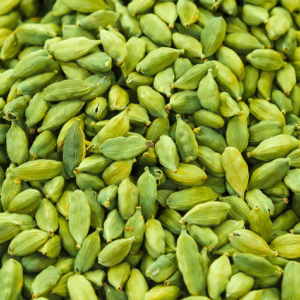
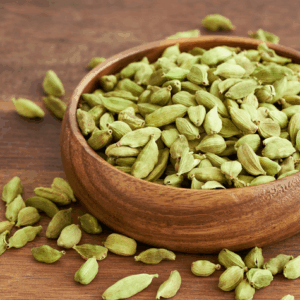
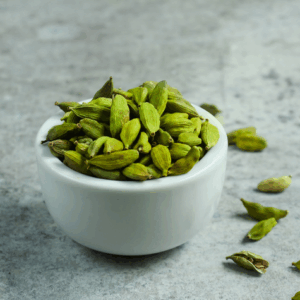
Cardamom, often referred to as the “Queen of Spices,” is a highly aromatic spice native to the Indian subcontinent and widely used in Indian cuisine, sweets, and traditional medicine. It comes in two main varieties: green cardamom (Elettaria cardamomum), which has a sweet, floral flavor, and black cardamom (Amomum subulatum), which has a smoky, more intense aroma. Green cardamom is commonly added to desserts, chai, and biryanis, while black cardamom is used in savory dishes like curries and stews. In Ayurveda, cardamom is valued for its digestive, detoxifying, and breath-freshening properties. Grown mainly in the hills of Kerala, Karnataka, and Tamil Nadu, Indian cardamom is one of the finest in the world, cherished for its fragrance and versatility.
Dry Fruits
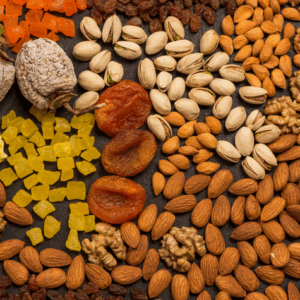
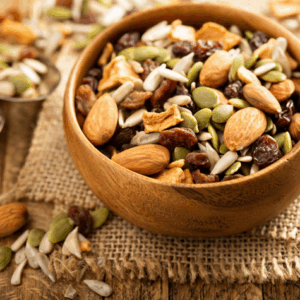
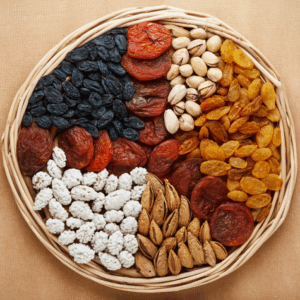
Dry fruits are nutrient-rich foods that have been dried naturally or through artificial methods to remove their water content while retaining essential nutrients and flavor. Common dry fruits in India include almonds, cashews, raisins, pistachios, walnuts, dates, and figs. They are widely used in Indian cooking, especially in sweets like halwa and kheer, and in festive dishes like biryani and pulao. Dry fruits are known for their health benefits—they are rich in vitamins, minerals, antioxidants, and healthy fats, making them excellent for boosting energy, improving heart health, and supporting brain function. In Indian tradition, dry fruits are also given as gifts during festivals and celebrations, symbolizing prosperity and good health.
Superfoods
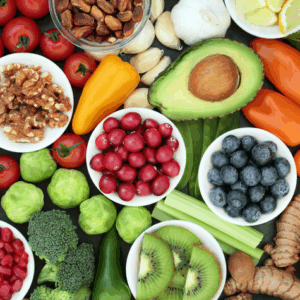
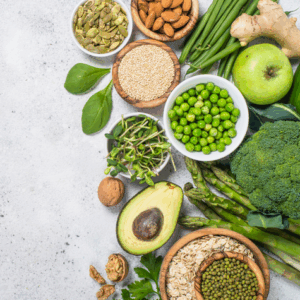
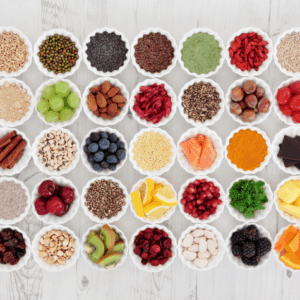
Superfoods are nutrient-dense foods that offer exceptional health benefits due to their high content of vitamins, minerals, antioxidants, and other essential nutrients. In India, many traditional foods qualify as superfoods, such as turmeric, known for its powerful anti-inflammatory and antioxidant properties; moringa, rich in vitamins and minerals; amla (Indian gooseberry), packed with vitamin C and immune-boosting compounds; and chia seeds, valued for their omega-3 fatty acids and fiber. These superfoods play a crucial role in Ayurvedic medicine and everyday diets, helping to improve immunity, support digestion, enhance energy levels, and promote overall well-being. Their popularity is growing worldwide as natural, holistic nutrition becomes more sought after.
Makhana
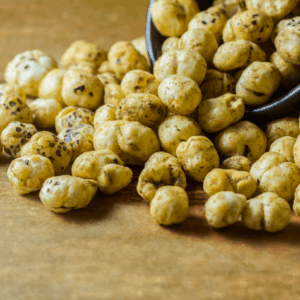
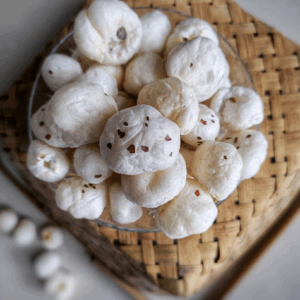
Makhana, also known as fox nuts or lotus seeds, is a popular Indian superfood celebrated for its nutritional value and health benefits. Harvested from the seeds of the water lily plant, makhana is commonly grown in the ponds of Bihar and eastern India. It is low in calories but rich in protein, fiber, antioxidants, and essential minerals like magnesium, potassium, and calcium. Often consumed roasted as a healthy snack or used in traditional sweets and savory dishes, makhana is prized for its ability to support heart health, aid digestion, and promote weight management. Its crunchy texture and mild flavor make it a versatile ingredient in Indian cuisine, and it’s especially favored during fasting periods for its nourishing qualities.

Moringa
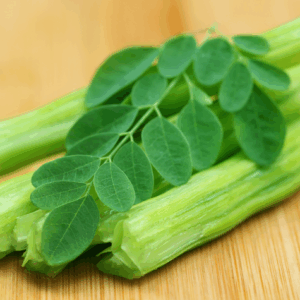
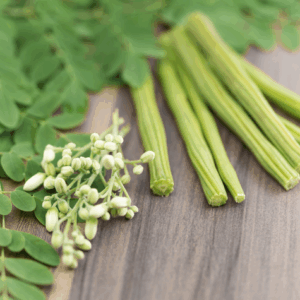
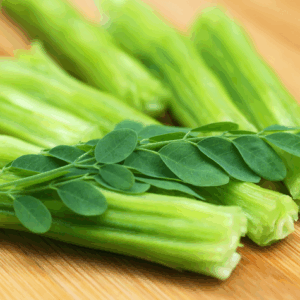
Moringa, often called the “Miracle Tree,” is a highly nutritious plant native to India and widely used for its health benefits in traditional medicine and modern nutrition. Every part of the moringa tree—leaves, pods, seeds, and roots—is edible and packed with essential vitamins, minerals, and antioxidants. The leaves are especially rich in vitamin C, vitamin A, calcium, potassium, and protein, making moringa a powerful superfood. It is known to boost immunity, reduce inflammation, improve digestion, and support overall energy and vitality. In India, moringa leaves are commonly added to soups, curries, and salads, while moringa powder is used as a dietary supplement. Its rapid growth and resilience also make it an important crop for sustainable agriculture.
jaggery
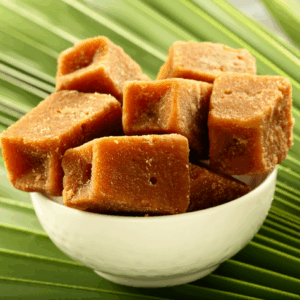
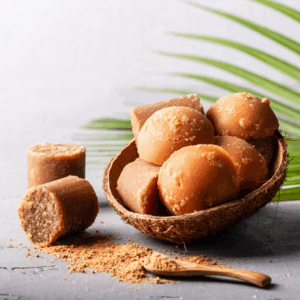
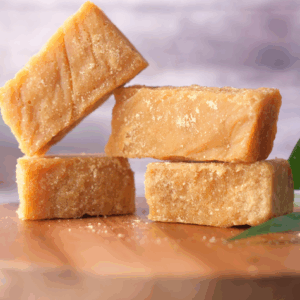
Jaggery is a traditional, unrefined sweetener widely used in Indian cuisine, made by boiling and concentrating the juice of sugarcane or palm sap until it solidifies. Unlike refined sugar, jaggery retains molasses and nutrients, giving it a rich, caramel-like flavor and a deep brown color. It is prized not only for its taste but also for its health benefits, as it contains iron, minerals, and antioxidants. In India, jaggery is commonly used in sweets, desserts, beverages like jaggery tea, and savory dishes. It is also valued in Ayurveda for aiding digestion, detoxifying the body, and boosting energy. Jaggery holds cultural significance too, often featured in festive foods and rituals.
Grains
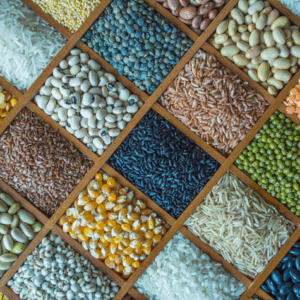
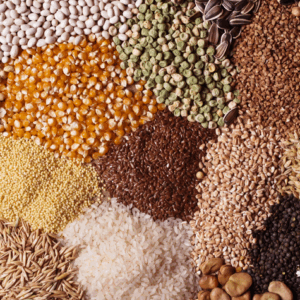
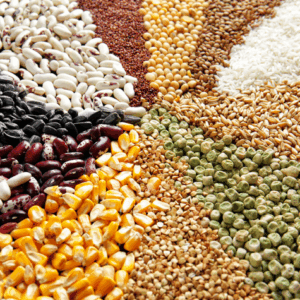
Grains form the staple foundation of Indian diets, providing essential carbohydrates, fiber, and nutrients. India cultivates a wide variety of grains, including rice, wheat, millet (such as jowar, bajra, and ragi), barley, and maize. Each region has its preferred grains based on climate and tradition—for example, rice is dominant in southern and eastern India, while wheat is the staple in northern parts. Millets, known for their drought resistance and high nutritional value, are gaining renewed popularity due to their richness in protein, fiber, vitamins, and minerals. These grains are used in countless Indian dishes, from everyday breads like chapati and dosa to elaborate rice-based meals like biryani and pulao. Together, grains form the backbone of Indian cuisine and nutrition, sustaining millions daily.