Herbal & Ayurvedic
Medicinal herbs
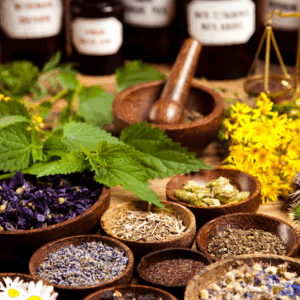
Medicinal herbs have been used for centuries across various cultures to promote health and treat illnesses. These natural remedies are derived from plants and contain active compounds that can have therapeutic effects on the body. Common examples include turmeric, known for its anti-inflammatory properties; ginger, used to aid digestion and reduce nausea; and chamomile, often used to calm anxiety and support sleep. Many medicinal herbs are rich in antioxidants and other nutrients that support the immune system. While they offer many health benefits, it’s important to use them responsibly, as some herbs may interact with medications or cause side effects if not used correctly.


Medicaments/Medicines
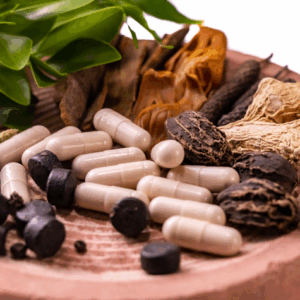
Medicaments, also known as medicines or pharmaceuticals, are substances used to diagnose, treat, prevent, or alleviate symptoms of diseases and medical conditions. They can come in various forms such as tablets, capsules, syrups, injections, creams, or ointments, and are typically prescribed by healthcare professionals or available over the counter. Medicines work by targeting specific areas of the body or processes within the body to restore normal function or relieve discomfort. They can include antibiotics to fight infections, painkillers to reduce pain, antipyretics to lower fever, and many other specialized drugs for chronic conditions like diabetes, hypertension, and asthma. Proper usage and dosage are essential to ensure safety and effectiveness.


Essential oils
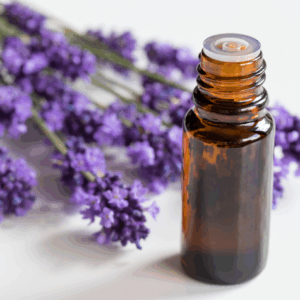
Essential oils are concentrated plant extracts obtained through methods like steam distillation or cold pressing, capturing the natural scent and beneficial compounds of the source plant. These oils are widely used in aromatherapy, personal care, and natural medicine for their therapeutic properties. For example, lavender oil is known for its calming and sleep-inducing effects, tea tree oil has antimicrobial and anti-inflammatory qualities, and peppermint oil is often used to relieve headaches and digestive issues. Essential oils can be inhaled, applied topically (usually diluted with a carrier oil), or used in diffusers to promote emotional and physical well-being. However, they should be used with care, as some oils may cause allergic reactions or skin irritation, especially if not properly diluted.


Nutraceuticals
Nutraceuticals are food-derived products that offer health benefits beyond basic nutrition and may help prevent or treat diseases. They include a wide range of products such as dietary supplements, fortified foods, herbal extracts, vitamins, minerals, and functional foods like probiotics and omega-3 fatty acids. Nutraceuticals are often used to support overall wellness, enhance immunity, manage chronic conditions like heart disease or arthritis, and improve mental health. Unlike pharmaceutical drugs, nutraceuticals are not strictly regulated in many countries, so their quality and effectiveness can vary. While generally considered safe, it is important to use them under proper guidance to avoid potential interactions with medications or overuse.



wellness teas
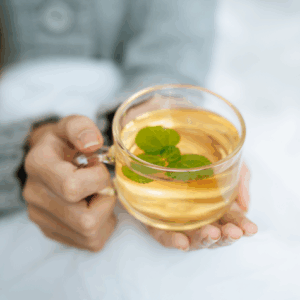
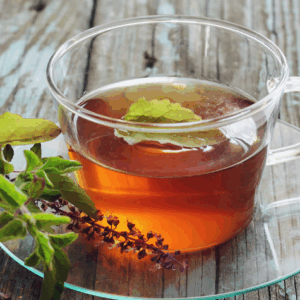
Wellness teas are herbal or blended teas crafted to support physical and mental well-being through natural ingredients. These teas often combine herbs, flowers, spices, and sometimes true tea leaves (like green or black tea) to target specific health goals such as improving digestion, boosting immunity, reducing stress, or enhancing sleep quality. For example, chamomile and lavender teas are popular for promoting relaxation and better sleep, while ginger and peppermint teas aid digestion. Other blends may include ingredients like turmeric for inflammation or ashwagandha for stress relief. Wellness teas are a gentle, enjoyable way to incorporate natural health support into daily routines, though their effects are usually mild and best complemented with a healthy lifestyle.